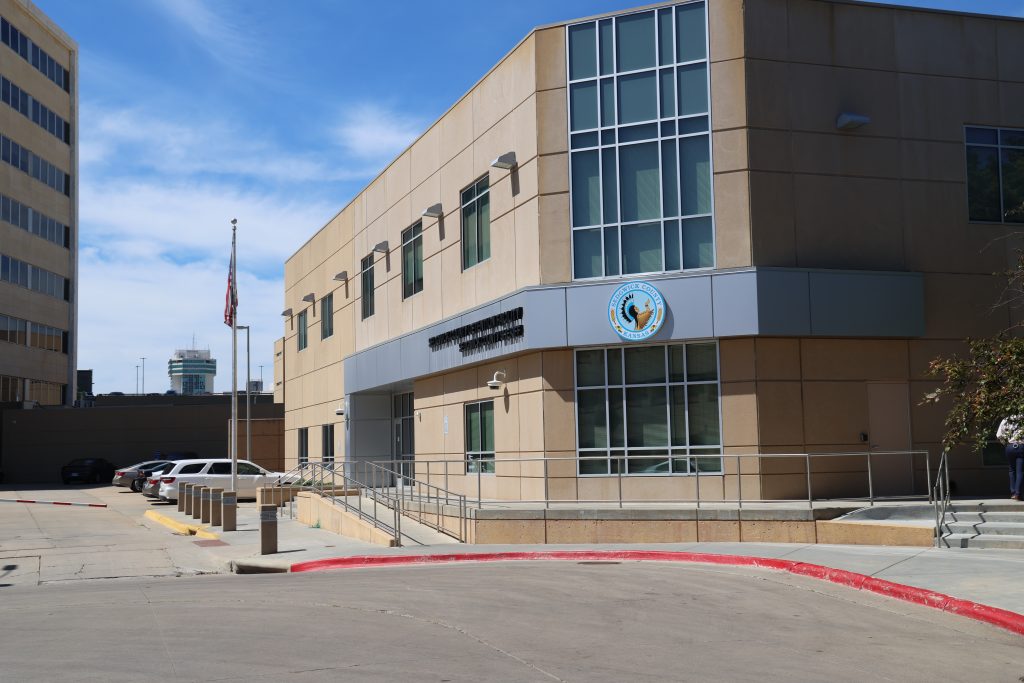

What Is a Bond Revocation in Kansas?
Being released from jail on bond allows a defendant to remain out of custody while a criminal case moves through the court system. However, that release is not guaranteed to last forever. Courts expect individuals to follow specific conditions while they are out on bond, and failing to do so can have serious consequences.
One of the most significant consequences is bond revocation. If a judge revokes a bond, the defendant may be taken back into custody and required to remain in jail while the case continues. Understanding how bond revocation works in Kansas can help individuals avoid mistakes that could jeopardize their release.
Quick Answer
A bond revocation occurs when a judge cancels a person’s bond and orders them back into custody. Bond revocations typically happen when a defendant violates bond conditions, commits a new offense, misses court, or creates concerns about public safety or flight risk. Once a bond is revoked, the individual may remain in jail until further court proceedings occur.
What Does Bond Revocation Mean?
When a court grants bond, it is essentially allowing a defendant to remain free while awaiting future court dates.
That release is based on the expectation that the defendant will comply with all court requirements.
If the court determines that the defendant has failed to meet those expectations, the judge may revoke the bond and order the person back into custody.
A bond revocation is more serious than simply modifying bond conditions because it removes the privilege of release altogether.
Revocation vs. Bond Modification
Many people confuse bond revocation with bond modification.
A modification typically means the judge changes or adds conditions to the bond. The defendant remains out of custody but must follow stricter requirements.
A revocation means the court has decided release is no longer appropriate and the defendant may be returned to jail.
Why Are Bonds Revoked?
Judges generally do not revoke bonds without a reason.
In most cases, there is an alleged violation or concern that causes the court to reconsider the original release decision.
Missing Court Appearances
One of the most common reasons for bond revocation is failure to appear.
When a defendant misses a scheduled court date, the judge may conclude that the individual is no longer complying with the requirements of release.
Courts rely on defendants appearing as ordered, and missed hearings often trigger immediate court action.
Violating Bond Conditions
Bond conditions vary depending on the case.
Common conditions may include:
- Obeying all laws
- Avoiding certain individuals
- Participating in treatment programs
- Submitting to drug or alcohol testing
- Maintaining contact with supervising agencies
Violating any of these conditions may place a defendant at risk of revocation.
New Criminal Charges
A new arrest while out on bond is another common reason judges revoke bonds.
If a defendant is accused of committing another offense, the court may determine that continued release creates concerns for public safety or future court compliance.
Flight Risk Concerns
Courts also consider whether a defendant may attempt to avoid prosecution by leaving the area or failing to appear in the future.
If evidence suggests an increased flight risk, revocation may be considered.
What Happens After a Bond Is Revoked?
Once a judge revokes bond, the defendant is generally ordered back into custody.
Depending on the circumstances, this may happen immediately in court or through the issuance of a warrant.
After the individual is taken into custody, the court will determine what happens next.
A Warrant May Be Issued
In many situations, bond revocation is accompanied by a warrant.
Law enforcement may be directed to locate and arrest the defendant if they are not already in custody.
Additional Hearings May Be Scheduled
The court may schedule hearings to review the circumstances surrounding the alleged violations.
Judges often examine the facts carefully before deciding whether future release will be allowed.
New Bond Decisions
In some cases, a defendant may later be eligible for a new bond.
However, judges frequently impose stricter requirements after a revocation, and some defendants may face significantly higher bond amounts.
How Sedgwick County Courts Handle Bond Revocations
In Wichita and Sedgwick County, bond revocation decisions are generally made by the court overseeing the criminal case.
Judges typically consider several factors when reviewing a possible revocation.
These factors may include:
- Nature of the original charges
- Severity of the alleged violation
- Criminal history
- Prior compliance with court orders
- Public safety concerns
- Risk of failing to appear
Every case is different, which means outcomes can vary significantly depending on the circumstances involved.
Can Bond Be Reinstated?
Sometimes.
Depending on the facts of the case, attorneys may request that the court reinstate bond or establish a new bond.
Whether a judge agrees often depends on the seriousness of the violation and the defendant’s overall history of compliance.
Common Situations That Lead to Bond Revocation
Certain situations repeatedly appear in Wichita criminal cases.
Repeated Missed Court Dates
Judges may become less willing to continue release when a defendant repeatedly fails to appear as required.
Contacting Protected Individuals
Violating no-contact orders is a common issue in domestic violence and assault-related cases.
Courts generally take these violations seriously because they are often tied directly to public safety concerns.
Failing Drug or Alcohol Tests
When testing is a condition of release, repeated failures may result in revocation proceedings.
Committing New Offenses
New criminal allegations while out on bond frequently trigger immediate court review and potential revocation.
Frequently Asked Questions About Bond Revocation in Kansas
Does bond revocation mean the case is over?
No. Bond revocation only affects release status while the criminal case continues through the court system.
Can someone be arrested after bond is revoked?
Yes. If the individual is not already in custody, a warrant may be issued to facilitate the arrest.
Is bond revocation permanent?
Not always. Some defendants may later receive a new bond or have release reconsidered by the court.
Can a judge increase the bond amount after revocation?
Yes. Courts often impose higher bond amounts when granting a new bond after a revocation.
Does every bond violation result in revocation?
No. Some violations result in warnings, modified conditions, or additional supervision rather than full revocation.
Understanding Bond Revocation in Wichita
Bond revocation is one of the most serious consequences a defendant can face while out on bond. Missing court, violating release conditions, committing new offenses, or creating concerns about public safety can all place a person’s freedom at risk.
Understanding the responsibilities that come with being released on bond and complying with all court requirements can help defendants avoid unnecessary complications as their case moves through the Wichita and Sedgwick County court system.