
Do Bail Bondsmen Accept Payment Plans in Kansas?
When a loved one is arrested, one of the first questions families ask is, “How are we going to afford this?” Bail is often unexpected, and many people do not have immediate access to the funds needed to secure someone’s release. Fortunately, payment options may be available depending on the circumstances of the bond and applicable Kansas law.
Understanding how payment plans work, what factors may affect eligibility, and what responsibilities come with a bail bond can help families make informed decisions during an already stressful time.
The Short and Skinny
Yes, many bail bond companies in Kansas offer payment arrangements when permitted by law and when the circumstances of the bond allow. Every bond is evaluated individually, and payment options depend on factors such as the bond amount, financial qualifications, risk level, and applicable Kansas legal requirements.
Why Payment Plans Matter
Few families plan for an unexpected arrest.
Whether the arrest involves a misdemeanor or a felony, coming up with thousands of dollars immediately can be difficult. Payment arrangements can help families secure a loved one’s release while meeting the financial obligations of the bond agreement over time.
Every case is different, which is why discussing available options with the bonding company is important.
Every Bond Is Different
No two bonds are exactly alike.
Several factors influence how a bond is evaluated, including:
- The total bond amount
- The charges involved
- Criminal history
- Court requirements
- Financial circumstances
- Available cosigners
- Overall risk associated with the bond
These factors help determine what options may be available.
How Kansas Law Affects Payment Plans
Kansas has specific laws and court rules that govern how bail bond premiums are handled.
Depending on the circumstances, payment arrangements may be available while still complying with those legal requirements.
Understanding those requirements helps eliminate confusion and ensures everyone understands their responsibilities before signing the bond agreement.
Does Bad Credit Automatically Prevent Payment Plans?
No.
Many people worry that poor credit automatically means they cannot obtain a bail bond or qualify for payment arrangements.
Credit history may be one factor considered, but it is rarely the only consideration.
Bonding companies often review the overall circumstances of the bond rather than relying exclusively on a credit score.
Can a Cosigner Help?
Yes.
A qualified cosigner may strengthen a bond application and, depending on the circumstances, may help support payment arrangements.
Cosigners accept important responsibilities under the bond agreement, which is why they should fully understand those obligations before signing.
Is Collateral Required?
Sometimes.
Whether collateral is necessary depends on the specific facts of the case.
Collateral may become more common when:
- Bond amounts are higher.
- Financial risk increases.
- The defendant has a history of failing to appear.
- Additional security is needed to support the bond.
Not every bond requires collateral, and every situation is evaluated individually.
What Happens After Payment Arrangements Are Made?
Once all required paperwork has been completed and financial requirements have been satisfied, the bonding company begins working through the release process.
The defendant is not released immediately simply because paperwork has been signed.
The jail must complete its own release procedures, which can vary depending on staffing levels, inmate volume, and the time of day.
Patience is often necessary while the release process is completed.
The Wichita and Sedgwick County Process
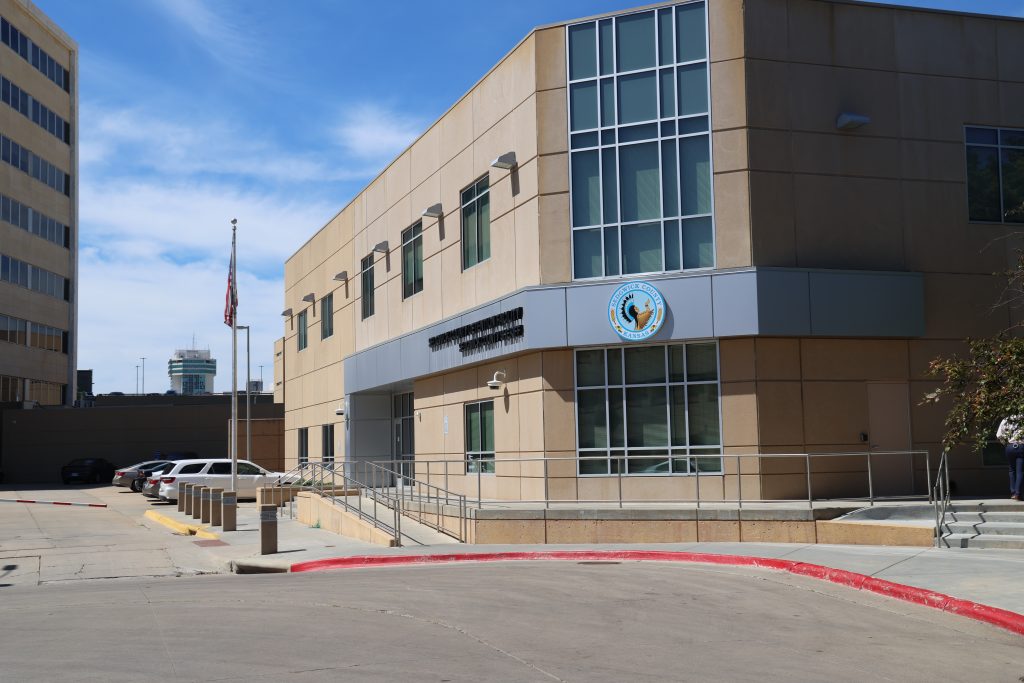
Most individuals arrested in Wichita are booked into the Sedgwick County Jail before bond arrangements begin.
After bond information becomes available, families can begin discussing available options.
Depending on the case, bond type, and court requirements, paperwork is completed before the bond is submitted to the jail for processing.
Once accepted, the jail begins its own release procedures. Processing times vary and are outside the control of the bonding company.
Understanding this process helps families know what to expect and reduces unnecessary stress during an already difficult situation.
Common Situations
A Family Cannot Pay Everything Up Front
One of the most common situations involves families who simply were not prepared for an unexpected arrest.
Payment arrangements may allow them to move forward while meeting the requirements of the bond agreement.
Higher Bond Amounts
Larger bonds often require additional financial review.
The bonding company may consider collateral, cosigners, employment history, and other factors before approving payment arrangements.
First-Time Clients
Many first-time clients have never worked with a bail bond company before.
Understanding how payment plans work, what documents may be needed, and what responsibilities continue after release can make the process much less intimidating.
Frequently Asked Questions
Does every bail bond qualify for a payment plan?
No. Every bond is evaluated individually based on the circumstances of the case and applicable Kansas law. You would be surprised by which bonds do not qualify. It is usually the lower bonds that create more risk and more work load in the bail bonds industry.
Can someone with bad credit still qualify?
Possibly. Credit history is only one factor that may be considered during the evaluation process. For us personally over at Wichita Bail Bonds Company, we are not regularly looking at credit reports but instead we are looking at job history and current employment status.
Will I need a cosigner?
Some bonds may require a qualified cosigner, while others may not. Most of the time, every bond is going to need a cosigner unless the defendant can pay the full bond amount upfront and the 10% fee upfront.
Are larger bonds handled differently?
Higher bond amounts often require additional review because they involve greater financial responsibility. There are more risk when the bonds are higher but sometimes they are better bonds because the defendant has more to lose and they understand the seriousness of the case. On the other hand, low bonds tend to be taken less serious because they are easier to push to the side.
How long does it take for someone to be released after the bond is posted?
Release times vary depending on jail processing procedures, staffing, and inmate volume. In Sedgwick County, a bond can be signed and then the inmate can be released anywhere between 45 minutes, to 8 hours later. There are processes that delay the release sometimes like electronic monitoring devices and stipulations by pretrail services.
Helping Wichita Families Through the Bail Process
An arrest can place tremendous emotional and financial pressure on a family. Understanding how payment plans for bail bonds work in Kansas can help remove some of the uncertainty and allow families to focus on helping their loved one move through the legal process.
Every bond presents its own unique circumstances. By understanding how payment arrangements, cosigners, collateral, and Kansas requirements work together, families can make informed decisions while navigating the Wichita and Sedgwick County criminal justice system.